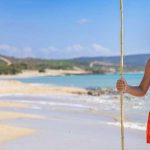
There are only two inhabited islands at ‘the Cocos’, a remote Australian territory in the Indian Ocean, and one of those is Home Island Cocos Keeling Islands.
Home to the majority of the 600-strong Cocos Malay population, this small island is the focal point of everyday life for most locals. You may be wondering what it’s like – safety, how to get there and what there is to do beyond sightseeing – and that’s exactly what we’re here to share.
Home Island Cocos Keeling Islands is the one place where you can really and truly understand the history of the Cocos, as well as its food, culture, religion and heritage.
Overview — What Is Home Island?
Pause your trip planning and bookmark our Ultimate Cocos (Keeling) Islands travel guide and tips on the best time to visit for later. Now is the time to learn about the history of Home Island Cocos Keeling Islands, and why it’s worth visiting.
Also known as Pulu Selma, Home Island is where most of the local Cocos Malay people live. Despite being connected to West Island by a cheap, quick ferry, the island feels a world away.
Home Island and West Island couldn’t be more different. On West Island, there are handfuls of holiday apartments and tourists rushing about to go snorkelling, diving, kitesurfing and island-hopping. Meanwhile, on Home Island, the local people carry out their everyday activities, which include visiting the mosque, shopping at the local precinct, and cooking for the family.
Home Island is what we’d call the ‘cultural heart’ of the Cocos, so a visit will appeal to anyone who fancies learning how to cook Cocos Malay meals or trying basket-weaving.
It’s also home to a small Cocos museum and a heritage federation-style mansion called Oceania House, built in 1893.
Getting to Home Island (Ferry Guide)
Ferry Times & Cost
It’s unbelievably easy to use the Home Island ferry, not to mention cheap. Ferries operate between Home Island and West Island every day except Sunday, taking up to 30 minutes. Tickets cost just $2.50 each way
The ferries depart at regular intervals throughout the day. However, the schedule is a little different each day, so it’s best to check the up-to-date ferry timetable online.
Don’t worry if you found it hard to figure out how to get to the Cocos Islands. Reaching the West Island ferry terminal is much easier.
There are regular buses ($0.50 each way) from the main West Island settlement to Rumah Baru ferry jetty. The bus departs 30 minutes before ferry departure (45 minutes for 10.30 am ferries), and the main bus stop is opposite the Cocos Club.
What to Know Before You Go
- There are limited facilities on Home Island Cocos Keeling Islands, so make sure to bring any specialist foods or medication with you.
- Buses and the Home Island ferry only accept cash payments. Most restaurants and small shops on Home Island also prefer cash over card payments.
- Mind your Home Island etiquette. The local population follow the Sunni branch of Islam, so to show respect, you should cover your shoulders and knees.
Understanding Cocos Malay Culture
Understanding the Cocos Malay culture is the first step to visiting Home Island Cocos Keeling Islands. Not only will this give you a good idea of Home Island etiquette and what to wear, but it’s also your chance to start getting excited about the delicious Cocos Malay food you could taste in a Home Island cooking class and the historical sites scattered around the island.
To briefly recap the history of the Cocos, the islands were first discovered in 1609 by William Keeling, a British captain. However, it wasn’t until 1825 that Scottish merchant John Clunies-Ross arrived.
He was quickly followed by English merchant Alexander Hare in 1826. Determined to harvest coconuts for the copra industry, Hare brought with him Malay slaves and established the first settlement on Home Island. When Hare died in Java in 1834, John Clunies-Ross took over Home Island.
It was a long time until the Cocos were declared an Australian territory in 1955; by then, Home Island had had to survive two world wars and the death of John Clunies-Ross.
The Cocos Malay people of Home Island had very little contact with the outside world during this period, and most still devoutly follow the Sunni branch of Islam practised by their ancestors from Borneo. They also speak Bahasa Indonesian/Malay, the local Malay dialect.
Knowing this helps you to understand just how important religion is to daily life on Home Island and why you should dress modestly when visiting. The Friday prayers (Jumu’ah), which happen around midday, are especially culturally important.
Oceania House — History & Guided Visits
One of the best things to do on Home Island Cocos Keeling Islands is visiting Oceania House, a federation-style mansion that was built by John Clunies-Ross. It was using bricks from Scotland and soil from Christmas Island, but as Malay workers handled the construction from 1887 to 1904, it was also injected with Malay architectural styles like teak walls.
How to visit: Nowadays, you can book a stay directly at Oceania House Cocos. The other way to see where the Clunies-Ross family used to live is to join a historic tour, which begin at 2 pm and can be booked online. These tours will show you around the bedrooms, living and dining areas, the grand ballroom and library.
Home Island Museum
There are plenty more things to do on Home Island Cocos Keeling Islands. Next up is the Cocos Islands museum, another must-visit if you want to learn more about the history of the islands and the Cocos Malay culture.
If you can, visit the Cocos Islands museum after Oceania House; it recounts some of the dramas that took place behind its four walls. The museum also has a timeline of the island’s history, including its involvement in World War I and II, and artefacts from the first settlement all the way through to today.
How to visit: You only need 20 – 30 minutes to browsethe museum. However, take note that it’s only attended on Monday and Wednesday.
You can still visit out of hours by picking up the key from the Shire office behind the museum. This is open from Monday to Thursday (7am to 4pm) and Friday (7am to 12pm).
Food on Home Island
Browsing museums is hungry work, and happily, the Cocos Malay food is one of the best parts about visiting Home Island Cocos Keeling Islands.
Traditional Cocos Malay Cuisine
Naturally, the Cocos Malay cuisine takes inspiration from Malay dishes brought to the island from Borneo.
- Nasi uduk (coconut rice) is a staple in the Cocos diet.
- Ayam begana is another, a coconut-based curry with salt and turmeric.
- Satay skewers also prove popular, featuring grilled chicken and spices traditionally skewered on coconut palm fronds.
- Ikan bakar (grilled fish) is another common dinner food on the Cocos.
On Home Island, you’ll come across the same flavours again and again. Coconut is a common thread – this is the Cocos, after all – and spices like chilli, ginger, lemongrass and turmeric often coat the meat and curries.
Most of the meat on Home Island is halal, having been prepared by local butchers.
Cooking Classes & Food Experiences
Can you think of a better souvenir than a recipe you can take back to your home kitchen? If not, you may want to sign yourself up for a Home Island cooking class, suited to couples and families with older children.
Classes can be booked online in advance:
- Ossie’s Cultural Tours also runs a 3.5-hour cooking class, where coconut rice, beef rendang and coconut crepes often feature on the itinerary.
- Cocos Cooking Retreat is a three-hour class run by a local expert, featuring island-sourced ingredients and traditional recipes. It ends with a woodcrafting workshop.
What to Expect When Visiting Home Island
Life is very different on Pulu Cocos compared to West Island. Alcohol isn’t consumed on Home Island, so you can’t pop along to the Cocos Club for a chilled beer as you would on West Island. Instead, the Home Island etiquette is to cover your shoulders and knees, and embrace the slower pace of life.
As you walk around, you may very well feel yourself reaching for your camera, and that’s absolutely fine as long as you ask for permission before photographing people and homes, especially children. Home Island has two main eateries (with limited opening hours) and a main supermarket, so getting food – delicious food, at that – is easy if you plan ahead.
Accessing the internet is a little more complicated. If you’re staying overnight on Home Island, most accommodation includes WiFi. If you’re just coming for the day, you can either enjoy a digital detox or bring along a MiFi internet dongle, which can be hired from the Community Resource Centre on West Island.
Is Home Island Suitable for Families?
Visiting Home Island with kids is absolutely possible. It provides great educational value, above all else, especially if you factor in a visit to the Cocos museum and Oceania House.
Older kids should also like visiting Turtle Beach, one of the most underrated things to do on Home Island Cocos Keeling Islands, where there’s a shallow lagoon and frequent visits from green turtles. Buggies can be rented to explore further afield on the island.
Of course, it goes without saying that kids will need to be well-behaved when visiting Home Island, as local people have reasonable expectations of privacy.
How Long to Spend on Home Island
Most people spend one day on Home Island. This is more than enough time to tour Oceania House and try cultural activities like a cooking class or basket-weaving. If you’re quick, you can take a buggy to Turtle Beach.
If you’d rather have more time to explore, you can stay at one of the two accommodations: Oceania House and Cocos Kampong Homestay. If you do this, one thing you’ll need to think about is exactly how hong to stay in the Cocos and how to split your time to fit in Home Island and Direction Island.
Practical Tips for Visiting Home Island
- Wear modest clothes covering the shoulders and knees.
- Pack cash, sun protection and bug repellent, as well as specialist foods and snorkelling gear/reef shoes if needed.
- Don’t intrude on the locals’ property or privacy.
- Always ask for permission before taking photos of people, especially children.
- Make sure you’re not late for the return Home Island ferry.
FAQs About Home Island
Can tourists stay overnight on Home Island?
There are two hotels on Home Island, Oceania House and Cocos Kampong Homestay. The former is a heritage-listed mansion formerly occupied by the Clunies-Ross family, who ran the coconut/copra industry on the Cocos.
Is photography allowed?
Photography is allowed on Home Island (Cocos Keeling Islands). However, you should always ask permission before taking pictures of local people, especially children. Privacy is also important, so you should be mindful of intruding on private property.
Are restaurants open daily?
Restaurants are open most days on Home Island. Seafront Restaurant, a pop-up which serves takeaways outside of Shamrocks supermarket, is usually open most mornings. However, public holidays affect opening hours. There is one main restaurant, Sweet As Makan, which runs a buffet on Wednesday and Friday nights, but a booking is required. Sweet As Makan also serves coffee and other food every day except for public holidays, at varied times throughout the day.
Is Home Island safe for visitors?
Home Island has a reputation for being very safe for visitors. There’s very little crime. The main risks are cyclones, which happen occasionally at the Cocos Keeling Islands.